
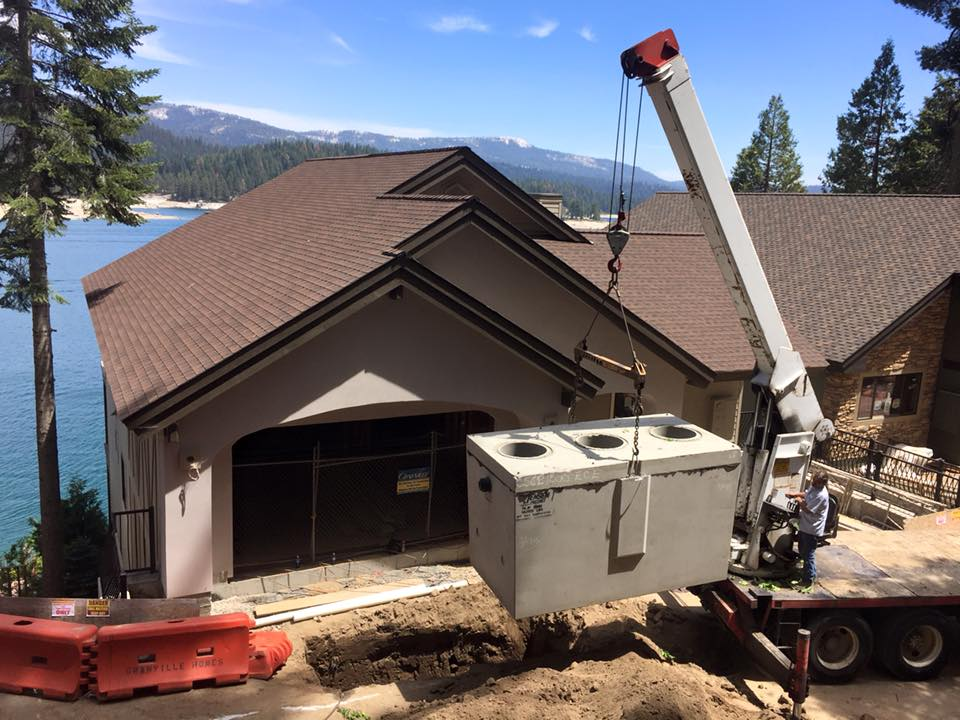
Owning property near Smith Mountain Lake is a dream for many homeowners due to its scenic beauty, peaceful environment, and strong real estate value. However, one of the most important yet often overlooked aspects of lakeside living is having a properly designed and well-maintained septic system. Because many homes around Smith Mountain Lake are not connected to municipal sewer lines, septic systems play a critical role in managing wastewater safely and efficiently.
Understanding how septic systems work, how to maintain them, and what to consider during installation is essential for protecting both your property and the surrounding environment.
For septic systems Smith Mountain Lake contact Trent’s Septic & Outdoors.
What Is a Septic System?
A septic system is an underground wastewater treatment structure commonly used in rural and lakefront areas. It typically consists of two main components:
- A septic tank that collects and partially treats wastewater from the home
- A drain field (or leach field) that filters and disperses treated water into the soil
When wastewater flows from your home, solids settle at the bottom of the tank while oils and grease float to the top. The remaining liquid flows into the drain field, where it is naturally filtered through soil layers.
For properties around Smith Mountain Lake, septic systems must be carefully designed to prevent contamination of groundwater and protect the lake’s water quality.
Importance of Septic Systems Around Smith Mountain Lake
Septic systems are especially important in lake communities because improper wastewater management can directly affect water quality. A failing system can lead to:
- Contaminated groundwater
- Algae growth in the lake
- Foul odors around the property
- Health risks for residents and wildlife
Since Smith Mountain Lake is a popular destination for recreation, fishing, and tourism, maintaining clean water is a top priority for homeowners and local authorities.
Types of Septic Systems Used in Lakefront Areas
Different properties require different septic solutions depending on soil conditions, lot size, and water table levels. Common types include:
Conventional Septic Systems
These are the most common systems and include a standard tank and drain field. They work best in areas with good soil drainage and adequate space.
Aerobic Treatment Units (ATUs)
ATUs introduce oxygen into the system to break down waste more efficiently. These systems are often used in environmentally sensitive areas near lakes.
Drip Distribution Systems
These systems use a network of small pipes to distribute treated wastewater slowly and evenly into the soil, making them ideal for properties with limited space.
Mound Systems
When soil conditions are poor or the water table is high, mound systems are used. These systems build an elevated drain field above ground level to ensure proper filtration.
Septic System Installation Considerations
Installing a septic system near Smith Mountain Lake requires careful planning and professional evaluation. Key factors include:
Soil Testing
A percolation (perc) test determines how well the soil absorbs water. This helps engineers design a system that prevents runoff into the lake.
Lot Size and Layout
Smaller or sloped lots may require advanced systems such as mound or aerobic units.
Water Table Levels
High groundwater levels can limit traditional system options and require specialized designs.
Environmental Regulations
Local and state regulations are strict around lakefront properties to protect water quality. Permits and inspections are typically required before installation.
Hiring an experienced septic contractor familiar with lake properties ensures compliance and long-term system performance.
Septic System Maintenance Tips
Proper maintenance is essential for keeping your system running efficiently and avoiding costly repairs. Homeowners around Smith Mountain Lake should follow these guidelines:
Regular Pumping
Septic tanks should typically be pumped every 3–5 years depending on household size and usage.
Water Conservation
Using water efficiently reduces strain on the system. Fix leaks and avoid excessive water usage.
Proper Waste Disposal
Do not flush non-biodegradable items, grease, or harsh chemicals down drains.
Drain Field Protection
Avoid parking vehicles or planting trees over the drain field, as roots and heavy weight can damage the system.
Routine Inspections
Annual or bi-annual inspections help detect issues early before they become serious problems.
Signs of Septic System Problems
Homeowners should watch for warning signs that indicate system failure, including:
- Slow drains or backups in the home
- Unpleasant odors near the yard or tank area
- Pooling water above the drain field
- Unusually green or soggy grass patches
- Gurgling sounds in plumbing fixtures
If any of these symptoms appear, immediate professional inspection is recommended.
Protecting the Environment and Property Value
A properly functioning septic system is not just about convenience—it directly impacts the environment and property value. In a sensitive ecosystem like Smith Mountain Lake, responsible wastewater management helps preserve water quality and maintain the area’s natural beauty.
Well-maintained septic systems also increase property value, making homes more attractive to buyers who prioritize safety and environmental responsibility.
Choosing a Septic Professional in Smith Mountain Lake
When selecting a septic service provider, homeowners should look for:
- Licensed and insured contractors
- Experience with lakefront septic systems
- Strong local reputation and reviews
- Knowledge of environmental regulations
- Emergency repair availability
An experienced professional will ensure your system is designed correctly, installed safely, and maintained for long-term reliability.
Conclusion
Septic systems are a vital part of living comfortably and responsibly around Smith Mountain Lake. From installation to maintenance, understanding how these systems work helps homeowners protect their investment and preserve the surrounding environment.
With proper care, regular inspections, and professional support, a septic system can function efficiently for decades—ensuring clean water, a healthy property, and peace of mind for every homeowner in the lake region.