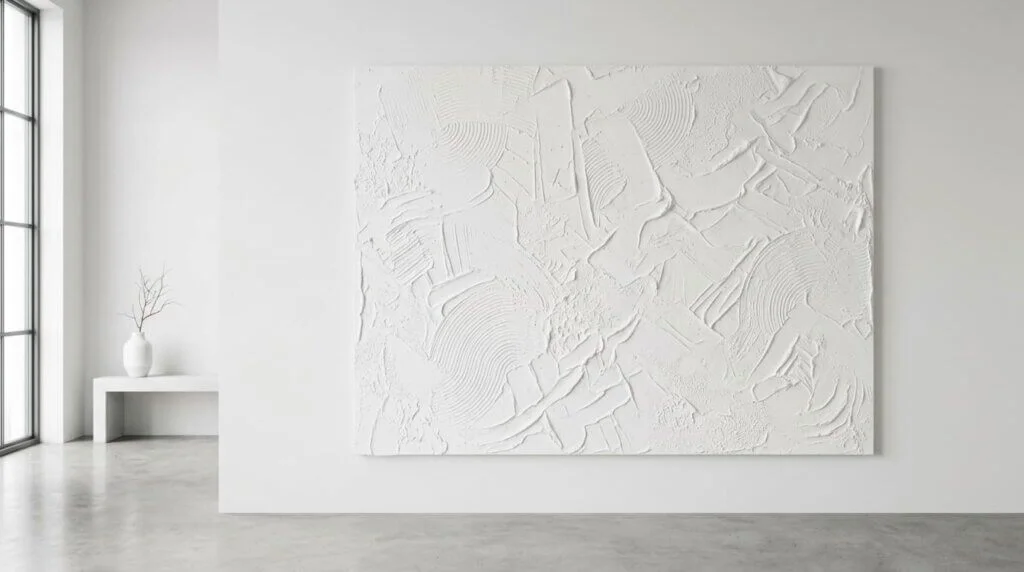
Interior design is more than just colored paint finishes and flat decorative prints these days. Spaces now need to deliver function as well as emotion and depth visually. For example, although modern walls have been used for a long time, much of the superficial monotony is caused by little detailing and all surfaces being the same.
The Plaster Wall Art explored a new dimension of styling for the interior where it adds physical curves right upon surface walls. A more evolved version of Textured Art, it morphs the once mundane interiors into sculptural and design-led spaces. The wall is no longer a mere decoration, but rather a tool for an active visual experience informed by texture, light, and form.
What Is Plaster Wall Art Collection?
Plaster Wall Art Plaster (Wall art) collection is based on crafted expressional arts Every piece is meticulously sculpted in plaster, the main material used to develop elegant depth and organic structure. Even more than printed pieces or digital images, these works do not simply reproduce in a new medium; they physically exist and interact with space.
The collection typically features:
Tactile textures that add depth and visual structure
Architectural Character Sculpted Forms for walls
Soft organic shapes that are a result of nature movement and flow
Minimal modernity that fits well in current homes
Instead of color or complex imagery, the collection is focused on form, material and shadow. This makes it an extremely good choice when your modern minimalist environment needs to maintain a low profile.
The Importance of Depth in Interior Design
The depth is one of the most vital yet frequently ignored components in interior design. It is the absence of depth leaving a space feeling flat, static and often emotionally detached. Good-designed areas can even come to be mundane when wall surface locations are visually plain.
Textured Art brings in depth but still with restraint and elegance. It creates depth through physical surface variation rather than color contrast or ornate patterns.
This brings many more benefits to interiors which are:
That visual movement that intrigues the eye of the audience
The changing forms of natural shadow play across the daylight hours
Affectionate bounty rife with atmosphere and ambiance
Decorative wall art using plaster helps to create impressively vivid and engaging interiors, wherein the humble sensation of depth is manifest.
So What Does Plaster Art Do for Your Wall?
Plaster Wall Art, on the other hand, interacts directly with its enviorment unlike traditional flat artwork. The sculptural surface interacts with both natural and artificial light, forming an evolving appearance as the day fluctuates.
Shadows rise, retreat and morph across the rough texture as light moves. This allows the viewer to experience the artwork in a way that is never locked to one singular interpretation. Instead, it constantly evolves with its environment.
This creates:
An interior experience that changes with the light
Soft architectural aesthetic of combining art and architecture
A lavishly designed environment that elevates the quality of space
Because of this engagement, the plaster art is not just another object in our room but a breathing component.
Ideal Interior Applications
The adaptable Plaster Wall Art made it appropriate for many current interior environments. It is made from neutral shades and the texture of its surface, allows it to adapt perfectly in residential and commercial spaces.
Ideal applications include:
Apartments needing soft sophistication and texture
High-end properties where elegant artistic touch is a must
Creative studios that gain from a source of inspiration and are relaxed by calm visual energy
Interiors of hotels that provide a superior guest experience
Plaster art in these spaces acts as an embellishment and architectural enhancement, elevating the ambiance without overshadowing design.
Styling Guidance for Maximum Impact
However, the true beauty and texture of any plaster-based artwork requires careful styling to showcase. The material itself is inherently subtle and refined, making it all the more crucial that your surroundings echo would-be harmony rather than compete with its message.
Effective styling techniques include:
Leverage directional lighting to showcase dimension and shadow
Maintaining the walls that surround clean, neutral and minimal
Avoiding elements of heavy decoration close to the artwork
Keeping things balanced in the arrangement stage
These principles should allow the texture to take centre stage as a visual feature in the space. It has been defined by light and shade, which hangs serene with a sense of energetic appeal.
Plaster Art: The Influence of a Timeless Design Choice
Modern interior design is more towards material that feels organic, tactile and grounded. Plaster Wall Art is a great match for this path as it merges artistic expression with material truth.
The shift from page to plate reflects a turning in design away from flat digital aesthetics and toward more tactile sensibilities. Textured surfaces are gaining favour amongst designers as they can add warmth, referencing depth and intimacy in human-to-human contact into contemporary spaces.
This has consequently left the plaster-based Textured Art a new signature component in luxury interior styling.
Conclusion
The Plaster Wall Art collection of products offers a shift from flat and graphical wall decoration to one with more depth, structure and sculptural feel in our interiors. Focused over a flat surface area, it is a full lent of textured art.
It combines minimalist appearance and material textures to increase the vibe of the room from simplicity. By doing this, it adds [change] another dimension to contemporary interiors where walls are no longer inert back drops but truly active design elements molding experience, mood and identity.