If you own a home and your electric bill keeps climbing, you have probably thought about solar. Solar panel installation for residential properties is no longer a trend. It is a practical upgrade that helps homeowners lower energy costs and gain more control over their power use.
But installing solar panels is not just about placing modules on your roof. It involves structural checks, electrical planning, roofing condition, and smart home design. In many homes, improvements in Roofing, Windows, Door, Design, redesign and repair directly affect how efficient a solar system will be.
For example:
- An aging roof may need replacement before installation.
- Poor window insulation increases cooling demand.
- Inefficient doors allow air leakage, raising energy use.
When these issues are addressed first, your solar system performs better.
Residential solar installation is a long-term decision. Panels can last 25 to 30 years. That is why planning, quality materials, and professional installation matter from day one.
Let’s break down how the process works and what homeowners should know before getting started. Read More Residential Solar Installations.
How Residential Solar Installation Works
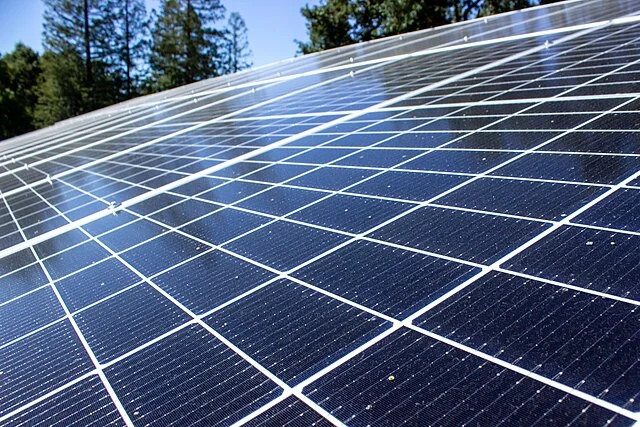
Solar panels use photovoltaic (PV) cells to convert sunlight into electricity. Here is a simple breakdown:
- Sunlight hits the solar panels.
- Panels generate direct current (DC) electricity.
- An inverter converts DC into usable alternating current (AC).
- Your electrical panel distributes power throughout the home.
- Extra energy can go back to the grid or into a battery.
Most residential properties use grid-tied systems. Some add battery storage for backup during outages.
Step-by-Step Installation Process
1. Home Energy Evaluation
A professional installer reviews:
- Your past electricity usage
- Roof size and direction
- Shading from trees or nearby buildings
- Electrical panel capacity
This ensures the system is sized correctly.
2. Roofing and Structural Inspection
Before installation, your roof must be inspected. Solar panels add weight and require secure mounting.
If roofing redesign and repair is needed, it should be completed first. Removing panels later for roof work increases cost.
3. System Design
The installer creates a custom layout that includes:
- Panel placement
- Inverter type
- Wiring path
- Safety disconnects
Design matters. A poorly placed panel can reduce overall output.
4. Permits and Approvals
Local authorities review plans to ensure code compliance. In Florida, installations must meet strict wind resistance standards.
5. Installation Day
Panels are mounted securely to the roof structure. Wiring connects to the inverter and main electrical panel. After final inspection, the system is activated.
Types of Residential Solar Systems
| System Type | Best For | Backup Power | Cost Level |
| Grid-Tied | Lower utility bills | No | Moderate |
| Grid + Battery | Storm protection | Yes | Higher |
| Off-Grid | Remote properties | Yes | High |
Most homeowners choose grid-tied systems with optional battery storage.
Benefits of Solar Panel Installation
Homeowners choose solar for several reasons:
- Lower monthly electricity bills
- Protection against rising utility rates
- Increased property value
- Cleaner energy production
- Potential tax incentives
In sunny states like Florida, residential solar performs especially well.
Energy Efficiency and Home Design
Solar works best when combined with smart home improvements.
Upgrading:
- Roofing materials
- Energy-efficient Windows
- Insulated Door systems
- HVAC systems
reduces total energy demand.
When your home uses less energy, your solar system covers a higher percentage of your needs.
This integrated design approach creates better long-term results.
Common Mistakes to Avoid
Many homeowners make these errors:
- Installing solar on an old roof
- Ignoring shading issues
- Oversizing or undersizing the system
- Choosing installer based only on lowest price
- Not reviewing warranty terms
Solar is a major investment. Choose experience over shortcuts.
Working with a Local Professional
Solar installation must follow electrical codes and building standards.
Working with a trusted solar energy company ensures:
- Proper load calculation
- Secure mounting systems
- Code-compliant wiring
- Long-term warranty protection
Gc Solar Electric
7265 NW 25 Street
Miami, Florida 33122
Phone: (305) 723-1926
Email: Info@gcsolarandelectric.com
They provide installation, repair, and redesign services for residential properties in Miami-Dade County.
Local knowledge matters, especially in hurricane-prone regions.
FAQ Section
How long does residential solar installation take?
The physical installation usually takes one to three days depending on system size. However, the full process including permits and approvals may take several weeks. Planning ahead ensures a smoother timeline.
Do I need to replace my roof before installing solar panels?
If your roof is older or damaged, replacement or repair is recommended before installation. Solar panels are designed to last 25–30 years, so the roof should last just as long to avoid future removal costs.
Will solar panels reduce my electricity bill completely?
It depends on system size and energy usage. Some homeowners offset most of their bill, while others reduce it significantly. A proper system design ensures realistic expectations.
What maintenance do residential solar panels require?
Maintenance is minimal. Occasional cleaning and periodic inspection are usually enough. Monitoring systems help track performance and detect issues early.
Can solar panels handle Florida weather?
Yes, when installed properly. Panels and mounting systems must meet wind-load standards. Professional installation ensures durability during storms and high winds.
Final Suggestions
Solar panel installation for residential properties is a long-term energy decision. It reduces electricity costs, increases property value, and provides greater energy independence.
Before installing, evaluate your Roofing condition, check Windows and Door insulation, and review any design or redesign plans. Address structural issues first to protect your investment.
Work with experienced professionals who understand electrical codes and local climate conditions. Ensure your system is properly sized and designed for your energy needs.
When done correctly, residential solar installation becomes a smart upgrade that benefits your home for decades.