
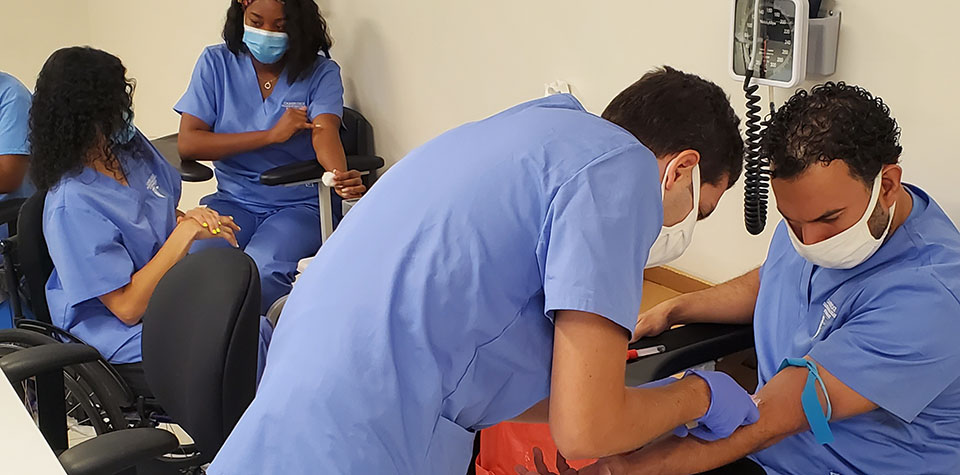
For students who want a career focused education with fast entry into the workforce, Miami offers strong options in healthcare and skilled trades. Among these choices, flebotomy courses and trade schools in Miami, Florida, stand out as practical pathways to in-demand jobs. These programs provide hands-on training, clear certification goals, and opportunities to work in medical settings or service industries. Whether you are just starting out or considering a career change, this guide explains what these programs involve, how to choose the right school, and why they’re worth considering.
Why Flebotomy Training and Trade Schools Matter Today
Miami’s healthcare and service industries continue to grow, creating stable demand for trained professionals. Students increasingly choose flebotomy courses and trade schools because:
- Training is shorter than traditional degrees
- Programs focus on hands-on, applicable skills
- Certification helps with job placement
- Costs are typically lower than four‑year degrees
- Career paths are well structured
These programs teach real skills that employers need. Instead of year‑after‑year of lecture‑based classes, students spend time practicing techniques they will use on the job.
What Flebotomy Courses Teach Students in Miami
Flebotomy is the clinical skill of drawing blood from patients safely and correctly. It’s a central role in healthcare settings because almost all diagnostic testing depends on quality specimen collection.
Core Skills Covered in Flebotomy Training
Flebotomy courses offered by Miami trade schools typically include:
- Human anatomy and physiology related to blood systems
- Venipuncture techniques (venous and capillary)
- Infection control and safety procedures
- OSHA and HIPAA standards
- Patient communication and professional conduct
Hands‑on lab practice is a central part of training so students can build confidence and correct technique before working on patients.
Typical Program Structure
Most programs include:
- Classroom instruction
- Lab simulations with practice arms
- Supervised clinical practice hours
- Preparation for certification exams
This combination ensures students learn both the theory and practical skills needed for entry‑level jobs.
What to Expect From Trade Schools in Miami
Trade schools in Miami offer vocational programs that help students develop job‑ready skills. These schools focus on:
- Shorter training timelines
- Practical instruction
- Job placement support
- Industry‑recognized credentials
In addition to flebotomy, many trade schools offer related healthcare support programs, making it easier for students to expand their skill sets later.
Typical Features of Trade School Programs
- Flexible scheduling (evenings/weekends)
- Small class sizes
- Experienced instructors
- Clinical externships or practicums
- Career advising support
This structure helps students balance training with work and family commitments.
Comparing Flebotomy Programs and Trade School Offerings
| Feature | Flebotomy Courses | Trade School Programs |
| Primary Focus | Clinical skill training | Vocational training in various fields |
| Duration | Weeks to months | Months to 1–2 years |
| Hands‑On Practice | High | High |
| Certification Prep | Yes | Varies by program |
| Career Options | Healthcare support roles | Diverse (healthcare, trades, services) |
Miami’s Vocational Training Provider
Florida International Training Institute (FITI Schools) is a Miami vocational school that supports students seeking career‑ready skills. Programs focus on practical skills and preparing students for employment.
FITI Schools Contact
- Address: 7265 NW 25th St, Miami, FL 33122
- Phone: (305) 594‑3151
- Email: info@fitischools.com
FITI Schools emphasizes structured training, experienced instructors, and student support services. For students looking to enroll in flebotomy courses and trade schools in Miami, Florida, FITI Schools provides clear guidance and support throughout the learning process.
How to Choose the Best Flebotomy or Trade School Program
Selecting the right training program is an important decision. To choose wisely:
Questions to Ask Before Enrolling
- Does the program include hands‑on practice?
- Will it prepare me for certification exams?
- What are the total tuition and fees?
- Are there clinical internships or externships?
- What kind of career support does the school offer?
Common Mistakes to Avoid
- Choosing a program based solely on price
- Ignoring the importance of hands‑on practice
- Not checking for certification preparation
- Failing to assess scheduling flexibility
Choosing based on quality, outcomes, and support matters more than choosing based on cost alone.
Benefits of Completing Flebotomy Training
Students who complete well‑structured flebotomy courses can expect:
- Entry‑level job opportunities in healthcare
- Skills employers are actively seeking
- Foundational knowledge for other healthcare paths
- Confidence from hands‑on experience
Because healthcare services are always needed, flebotomy remains a stable career choice.
FAQ For Flebotomy and Trade Training
How long do flebotomy programs typically take to complete?
Most flebotomy programs range from 6–12 weeks, but this can vary depending on schedule and school.
Do I need prior experience to enroll?
No. Many Miami trade schools design programs for beginners with no prior clinical experience.
Does the training include certification preparation?
Yes. Good programs prepare students to sit for industry‑recognized certification exams.
Can I work while attending training?
Many schools offer flexible scheduling (evenings and weekends) to help students balance work and study.
What jobs can I pursue after completing training?
Graduates often work as phlebotomy technicians in hospitals, clinics, labs, and outpatient facilities.
Is clinical practice included?
Yes. Hands on labs and supervised clinical experience are essential parts of most programs.
Final Suggestions
If you are a student looking to gain practical skills and enter the workforce quickly, flebotomy courses and trade schools in Miami, Florida present strong options. These programs focus on applicable skills and real training instead of abstract theory.
Before enrolling, take time to compare schools, ask about hands‑on practice, check certification preparation, and evaluate career support services. With the right program, you can build confidence, skills, and a career path that aligns with local demand and your personal goals.

