
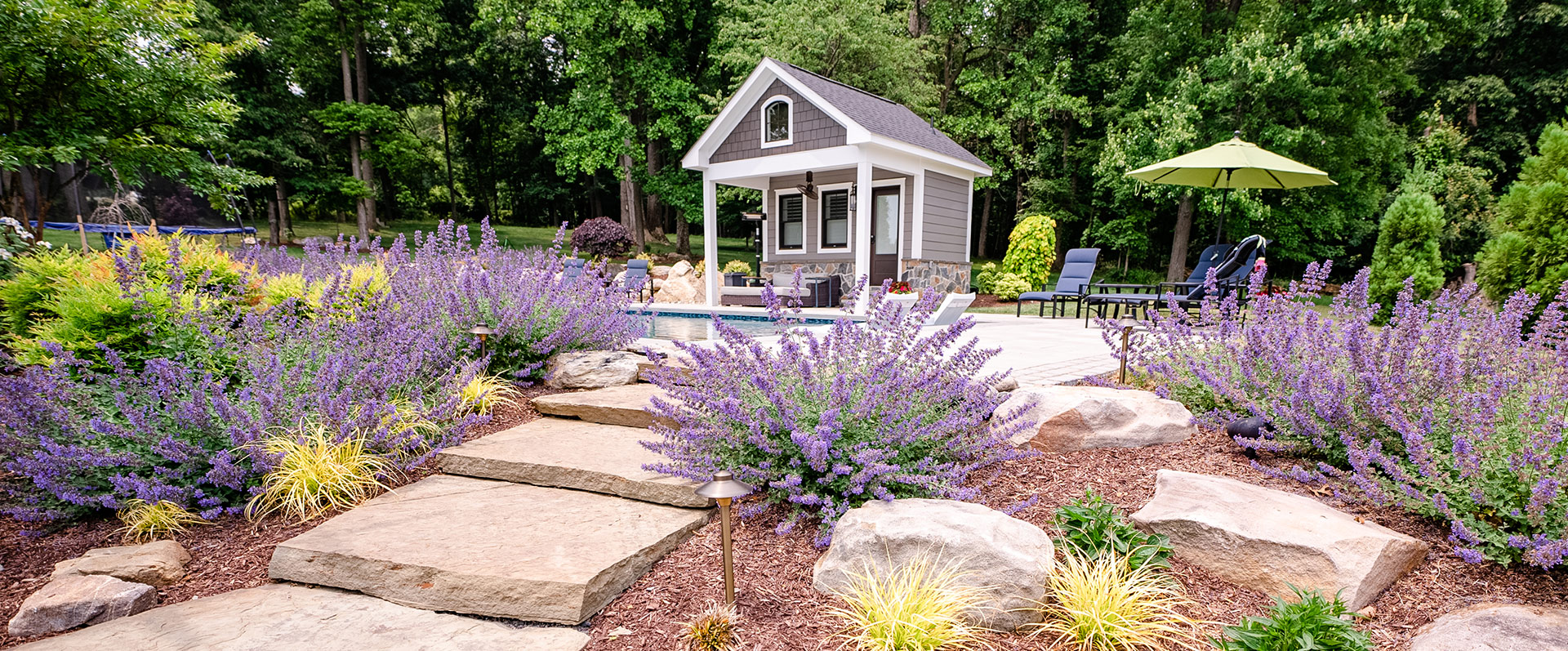
Landscaping is no longer limited to sprawling suburban yards or country estates. In urban environments, where outdoor space is often limited, creative landscaping can transform small yards, courtyards, balconies, and rooftops into functional and visually appealing green areas. Urban landscaping focuses on maximizing space, improving aesthetics, and creating sustainable outdoor environments despite the constraints of city living.
Challenges of Urban Landscaping
Urban landscaping comes with unique challenges:
- Limited Space: Small yards, terraces, or rooftops require careful planning to make the most of every square foot.
- Light Limitations: Buildings, trees, or fences can block sunlight, affecting which plants will thrive.
- Soil Quality: Urban soil can be compacted, low in nutrients, or contaminated, requiring amendments or container gardening.
- Privacy Concerns: Close proximity to neighbors often makes privacy screens or fences a priority.
Despite these challenges, urban landscaping offers exciting opportunities for creativity, sustainability, and functionality.
Strategies for Effective Urban Landscaping
- Vertical Gardens:
Vertical gardening is perfect for small urban spaces. Using wall-mounted planters, trellises, and living walls, you can grow flowers, herbs, and vegetables without taking up floor space. Vertical gardens also provide privacy and add aesthetic appeal. - Container Gardening:
Containers, pots, and raised beds allow flexibility and control over soil quality. Container plants are easy to move to capture sunlight or protect them from harsh weather. They work well on patios, balconies, and terraces. - Rooftop and Balcony Gardens:
Rooftop gardens utilize otherwise unused space, improve insulation, and reduce urban heat. Lightweight soil mixes, drought-tolerant plants, and raised containers make rooftop gardens feasible and low-maintenance. - Multi-Functional Hardscapes:
Urban landscapes benefit from hardscape elements like decks, patios, and walkways. Incorporating seating, storage, or planters into hardscapes maximizes space and utility while minimizing upkeep. - Microclimate Considerations:
Sunlight, wind, and temperature variations can differ across a small urban area. Selecting plants suited to each microclimate ensures long-term success. Shade-tolerant plants for shadowed areas and heat-resistant species for sunlit spots help create a thriving garden.
Plant Selection for Urban Spaces
Choosing the right plants is critical for urban landscaping:
- Native Plants: Require less maintenance and adapt well to local climates.
- Compact or Slow-Growing Species: Ideal for small spaces or container gardening.
- Evergreens: Provide year-round structure and privacy.
- Edible Plants: Herbs, vegetables, and small fruit trees offer functional beauty.
- Pollinator-Friendly Plants: Support bees, butterflies, and birds, increasing biodiversity in the city.
Benefits of Urban Landscaping
- Improved Air Quality: Plants filter pollutants and improve oxygen levels.
- Temperature Regulation: Green spaces reduce the urban heat island effect by cooling surrounding areas.
- Mental Health: Access to greenery reduces stress and encourages outdoor activity.
- Property Value: Well-designed urban landscapes increase property appeal and market value.
- Community and Aesthetics: Pocket gardens and green rooftops enhance neighborhoods and public spaces.
Innovative Ideas for Urban Landscaping
- Pocket Parks: Small landscaped areas in urban neighborhoods provide green relief.
- Living Walls: Vertical gardens on walls or fences improve aesthetics and insulation.
- Edible Landscapes: Combine beauty and practicality with herbs, fruits, and vegetables.
- Rooftop Retreats: Create relaxing spaces with seating, pergolas, and planters.
Conclusion
Urban landscaping proves that even limited space can be transformed into a beautiful, functional, and sustainable environment. Vertical gardens, container plants, compact plantings, and multi-functional hardscapes allow city dwellers to enjoy greenery despite spatial constraints.
By carefully selecting plants, planning for microclimates, and incorporating creative design elements, urban landscaping can turn small outdoor areas into relaxing retreats, productive gardens, and visually stunning spaces. Even in the heart of a bustling city, thoughtful landscaping enhances quality of life, supports biodiversity, and adds value to your property.

